Stalls, Steam, and Standing Room: A Hungry American's 2026 Guide to Trnava's Christmas Market
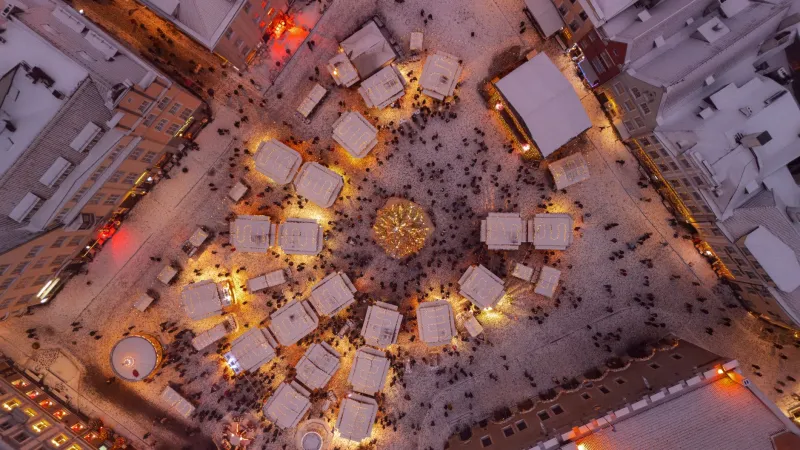
Let's get one thing straight: Trnava's Christmas market is not a theme park with a Slovak flag stapled to it. It is a real city square that happens to smell like fried dough, hot wine, and woodsmoke for a few weeks each winter. That is exactly why it is worth your time — and exactly why you should walk in with a plan.
By early November 2026, the lights are already going up around Trojičné námestie, the main square in Trnava's old town. The season usually kicks off in late November and runs through just before Christmas, with the busiest stretch falling between the first weekend of December and December 23. Check the city's official 2026 program for exact dates and opening hours, because the market does not run on a theme-park schedule. Some stalls open late, some close early, and the whole square gets moody when the temperature drops.
First, the logistics
Trnava is easy to reach from Bratislava by train, and the old town is compact enough that you can walk from the station in about fifteen minutes. The market is centered on Trojičné námestie and spills into the surrounding streets. You do not need a ticket. You do need layers, comfortable shoes, and a tolerance for standing shoulder-to-shoulder with strangers while holding a paper cup of something hot.
Bring some cash even if you plan to pay by card. Most stalls in 2026 accept cards, but smaller vendors and faster-moving lines still appreciate coins and small bills. Also watch for deposit cups: many drink stalls charge a small refundable deposit for the mug or cup. Return it and get your money back, or keep it as a souvenir if you are the kind of person who collects mismatched ceramics.
What to eat when your fingers are numb
This is the important part. The Trnava market is not a place for restraint. It is a place for eating standing up while trying not to drop sauerkraut on your coat.
Start with lokše, the thin potato pancakes that show up everywhere in Slovak winter food. They come sweet or savory, and both are correct. A savory version with cabbage or goose liver is a proper meal. A sweet version with poppy seed or jam is dessert disguised as bread. If you see a stall making them fresh, get in line.
Then find kapustnica, the smoky sauerkraut soup with sausage that tastes like a fireplace in soup form. It is tart, rich, and exactly what you want when the wind is coming off the square. Pair it with a slice of dark bread and you will understand why Slovaks treat soup as a full personality trait.
Bryndzové halušky — potato dumplings with sheep cheese and bacon — is the dish everyone tells Americans to try. Try it. Just know that it is heavier than it looks and that the bacon is not a garnish. It is a commitment. If you want something easier to eat while walking and gawking at ornaments, look for cigánska pečienka: grilled meat in a bun with mustard and onions. It is market food in the best sense — messy, fast, and deeply satisfying.
And yes, there will be trdelník. It is more associated with Czech markets than with Slovak home kitchens, but it is here, it is warm, and it is rolled in sugar. Treat it as a snack, not a cultural test.
What to drink below freezing
The drink question is simple: hot, alcoholic, or both. Varené víno — mulled wine — is the default. Punč is sweeter and fruitier, and medovina is honey wine that tastes like a medieval fantasy novel in a good way. If you do not drink alcohol, hot chocolate in Trnava is not an afterthought. It is often thick enough to count as a food group.
And then there is Kofola. Yes, the herbal cola. Yes, even in December. Some locals drink it year-round, and a few stalls sell it alongside the hot stuff. If you have never had it, this is a low-stakes introduction. If you love it, congratulations: you have just found a very Slovak loyalty.
How to survive the crowds
Weeknights are calmer than weekends. Early evening is busier than late afternoon. The square gets packed before the official tree lighting and on weekends when families come in from surrounding villages. If you want photos of the stalls without a stranger's elbow in the frame, go on a Tuesday or Wednesday around dusk.
Do not stop dead in the middle of the walking lane to take a photo of a wooden angel. Step to the side. This is the number one tourist offense in any European Christmas market, and Trnava is no exception. Also, if you see a line, join it. Slovaks are not forming queues for no reason. The line usually leads to something freshly fried, freshly poured, or freshly pulled from an oven.
Traditions not to skip
December 6 is Mikuláš — St. Nicholas Day — and you may see children receiving small treats or coal-themed jokes. Advent wreaths appear in windows and churches. Carols are part of the soundtrack, but they are not background music for a shopping mall. They are the actual point for many people.
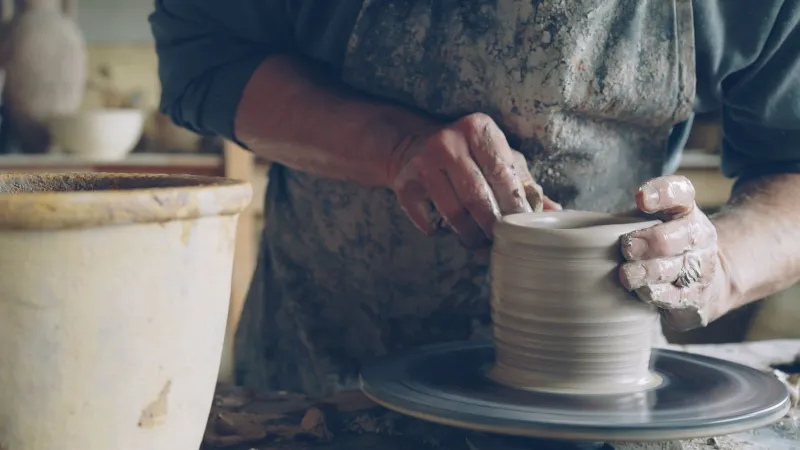
Buy something handmade if you can. Trnava's market leans toward crafts, ceramics, ornaments, and small gifts rather than mass-produced plastic. You do not need to buy a giant wooden nativity scene, but a small ornament or a jar of local honey makes a better souvenir than another fridge magnet.
The American-in-Trnava cheat sheet
A few phrases go a long way: dobrý deň for good day, ďakujem for thank you, and prosím for please or here you go. You do not need to pronounce them perfectly. You do need to say them. Tipping is not the same game as in the US; rounding up or leaving a small amount is fine, but do not overthink it at a market stall.
Most importantly, slow down. The Trnava Christmas market is not a checklist. It is a few weeks when the old square becomes a living room for the city. Stand near the tree. Listen to the badly amplified carols. Watch people greet neighbors they have not seen since last winter. Eat something hot. Then go back for one more lokša, because you will regret it if you do not.