Hops, History, and a Little Rebellion: Trnava's Craft Beer Scene Is Quietly Blowing Minds
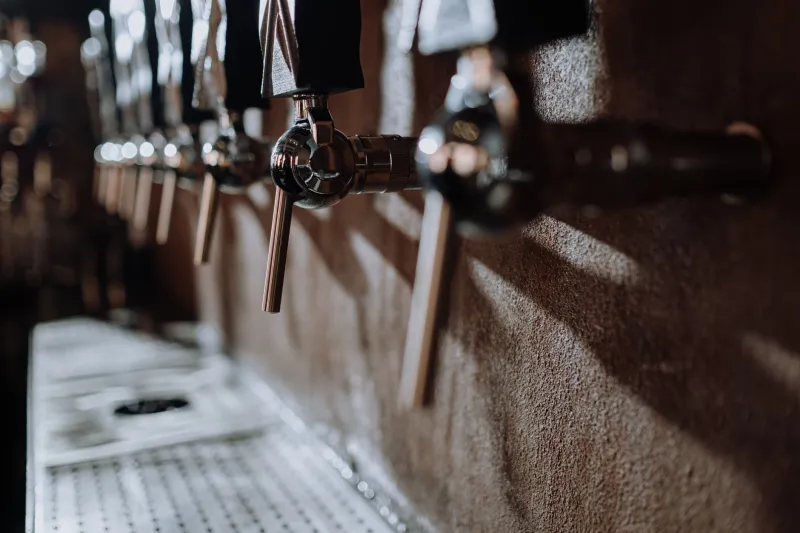
There's a moment, somewhere between the second sip of a sour cherry gose brewed with local Šúrovce fruit and the third story from a brewer who used to fix HVAC systems for a living, when it clicks: Trnava has no business being this interesting a beer town. And yet, here we are.
Slovakia doesn't exactly scream craft beer destination. It screams wine — rolling vineyards, centuries-old cellars, grandmothers who press grapes before they press anything else. But a stubborn, foam-flecked rebellion has been quietly fermenting in Trnava's back alleys and repurposed industrial spaces, and the people driving it aren't career brewers. They're hobbyists, engineers, history nerds, and former corporate workers who got fed up with bland lager and decided to do something about it.
From Homebrew Kits to Actual Kegs
Marek Sloboda started brewing in his apartment bathroom in 2017. "My girlfriend was furious," he laughs, pulling a pour of his flagship unfiltered wheat ale at his taproom on the edge of Trnava's old town. "The whole place smelled like wet grain for three days. But the beer was good. Like, actually good."
Marek's operation — Slobodný Pivovar, or "Free Brewery" if you want the loose English translation — now pumps out around 800 liters a month. That's tiny by any commercial standard, but in a city of 65,000 people, it's enough to keep a loyal following coming back every week. He rotates taps constantly, experimenting with everything from smoked malts sourced from a family farm near Piešťany to dry-hopped IPAs that would hold their own against anything coming out of Portland or Denver.
He's not alone. Within a ten-minute walk of Trnava's main square, you can find at least four other microbreweries or craft-focused taprooms, each with its own personality and its own philosophy about what Slovak beer can be.
What Makes Trnava Weird (In the Best Way)
Here's the thing about brewing craft beer in a medieval Slovak city: the ingredients are genuinely unusual. Brewers here have access to stuff that American craft brewers would kill for — local elderflower from village gardens, wild hops growing along the Malé Karpaty hillsides, heritage grain varieties that basically disappeared from Western Europe decades ago.
Jana Kováčová, who co-founded Hradobný Pivovar ("Rampart Brewery," named for the old city walls) with her brother in 2020, has leaned hard into this hyperlocal sourcing approach. Her spring seasonal — a saison brewed with foraged linden blossoms and a touch of local honey — sold out in 48 hours last year. "I wanted to make a beer that could only exist here," she says. "Something that tastes like this specific place in this specific season."
That kind of intentionality is exactly what separates Trnava's craft scene from the generic "craft beer" label that got slapped on everything from Brooklyn to Berlin over the past decade. These aren't people chasing trends. They're people genuinely obsessed with their city's terroir — a concept that, until recently, was reserved entirely for wine.
The Taprooms You Won't Find on Google Maps
Part of what makes the Trnava craft beer experience so compelling — and frankly, a little frustrating — is how deliberately underground it remains. Some of the best spots don't have English-language websites. A couple of them don't have websites at all. You find them the way you find good things in small European cities: by asking locals, following handwritten signs, and wandering down alleys that look like they might dead-end but don't.
One spot, which regulars just call "Pivnica" (Slovak for cellar, naturally), operates out of a vaulted stone basement that dates back to the 17th century. The owner — a former IT consultant named Tomáš who declined to give his last name because, in his words, "I don't want too many people showing up" — serves maybe eight rotating taps, no food, cash only, and closes whenever he feels like it. The beer is outstanding. The vibe is like being invited to a very cool private party that you didn't know you were allowed to attend.
For American travelers used to the polished taproom experience — the reclaimed wood, the chalkboard menus, the flight paddles — this can be a bit of a culture shock. But lean into it. The lack of Instagram optimization is kind of the point.
Why American Craft Beer Fans Should Care
Let's talk numbers for a second, because they matter. A pint of excellent craft beer in Trnava will run you somewhere between €2.50 and €4.00. That's roughly $2.75 to $4.40 at current exchange rates. In comparison, a mediocre IPA at a mid-tier American craft bar will set you back $8 to $12 without blinking.
But it's not just about price. American craft beer culture has matured to the point where serious enthusiasts are actively looking for experiences they can't replicate at home. Drinking a gose made with Slovak sour cherries in a 400-year-old cellar while chatting with the person who actually brewed it? That's not something you're going to find in Asheville or Bend, no matter how good those scenes are.
There's also a genuine sense of discovery here. Trnava's craft beer scene hasn't been written up in every travel magazine yet. It's not on the European beer tourism circuit the way Brussels or Prague or even Bamberg are. Which means you can still show up and feel like you found something real, rather than something that's been optimized for visitors.
The Tension With Tradition
Not everyone in Trnava is thrilled about the craft beer revolution, it should be said. Slovakia has a deeply ingrained beer culture built around pale lagers — clean, cold, uncomplicated. For a certain generation of drinkers, the idea of paying €3.50 for a small-batch hazy NEIPA with "tropical notes" is somewhere between baffling and offensive.
"My father thinks I'm crazy," admits Marek with a grin. "He says beer should taste like beer. I tell him this does taste like beer — just a better one."
This generational friction is actually part of what makes the scene interesting to watch. The craft brewers aren't trying to replace traditional Slovak beer culture. They're in conversation with it, pushing back against it, occasionally making fun of it, and sometimes — when they brew a really clean Czech-style pilsner just to prove they can — paying it genuine respect.
Plan Your Visit
If you're building a Central European itinerary and you've already done Prague's beer halls and Vienna's wine bars, Trnava deserves a serious detour. The city is 45 minutes from Bratislava by train and easy to reach from Vienna, Budapest, or Brno. A long weekend gives you enough time to walk the medieval walls, eat extremely well, and make a serious dent in the craft beer scene.
Start at the main square, ask someone where the good beer is, and follow the directions. They'll be right.