Stitched in History, Worn in the Now: Trnava's Quiet Fashion Revolution
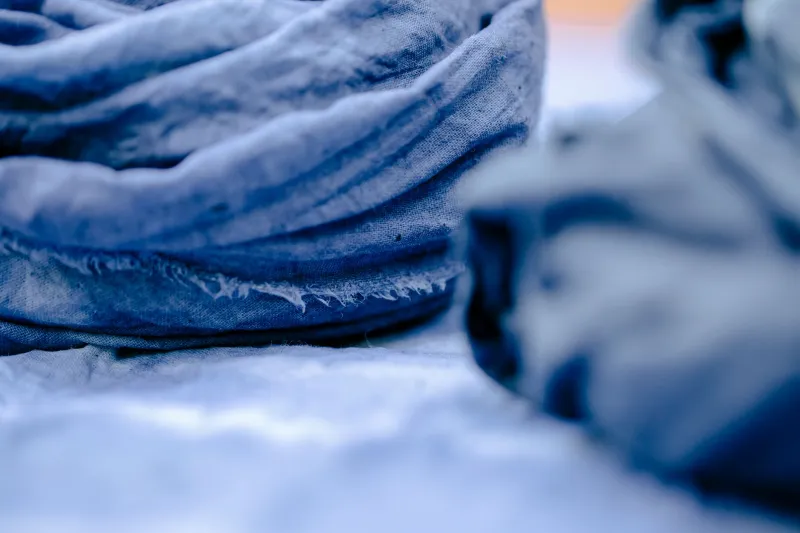
There's a particular kind of linen that comes out of western Slovakia. It's heavier than you'd expect, with a texture that carries the faint memory of something old — like it was made by someone who didn't need to rush. In a tucked-away studio just a short walk from Trnava's main square, textile designer Marta Holíková holds up a finished jacket cut from exactly this kind of fabric. "People always ask me where I source it," she says, laughing softly. "I tell them: from the same region it's always come from. We just stopped paying attention for a while."
That inattention is ending. Quietly, almost stubbornly, Trnava has been developing a fashion identity that has nothing to do with fast-fashion trends and everything to do with craft, memory, and a very Slovak sense of restraint. For American travelers and style-conscious visitors making their way through Central Europe, it's one of the most unexpected discoveries the city has to offer.
The Makers Behind the Movement
Trnava's fashion scene isn't loud about itself. You won't find runway shows or splashy brand launches. What you will find are small studios, cooperative workshops, and designers who got tired of competing with disposable clothing and decided to go in the opposite direction entirely.
Holíková is one of the most prominent voices in this quiet movement. Her label, Plátno (Slovak for "canvas" or "cloth"), produces a limited run of garments each season — structured linen coats, hand-dyed blouses, and minimalist dresses that wouldn't look out of place in a Copenhagen concept store. She trained in fashion in Bratislava before returning to Trnava, drawn back by access to regional weavers and a slower pace that, she says, is essential to the work.
"You can't rush this kind of clothing," she explains. "The fabric tells you what it wants to be. That sounds a little mystical, but it's true."
A few streets over, Tomáš Vrábel runs a smaller operation focused almost entirely on natural dyeing. Working with plant-based pigments — walnut hulls, indigo, chamomile, oak gall — he produces textiles in earthy, muted tones that have attracted attention from boutiques in Vienna and Prague. His process is painstaking: some dye baths require days of preparation, and a single batch of fabric might take a full week to complete. The results, though, are striking. The colors have a depth that synthetic dyes simply can't replicate.
"There's a market for this in Western Europe, definitely," Vrábel says. "People are tired of buying something that fades after three washes. They want something that actually ages well."
Reviving What Was Nearly Lost
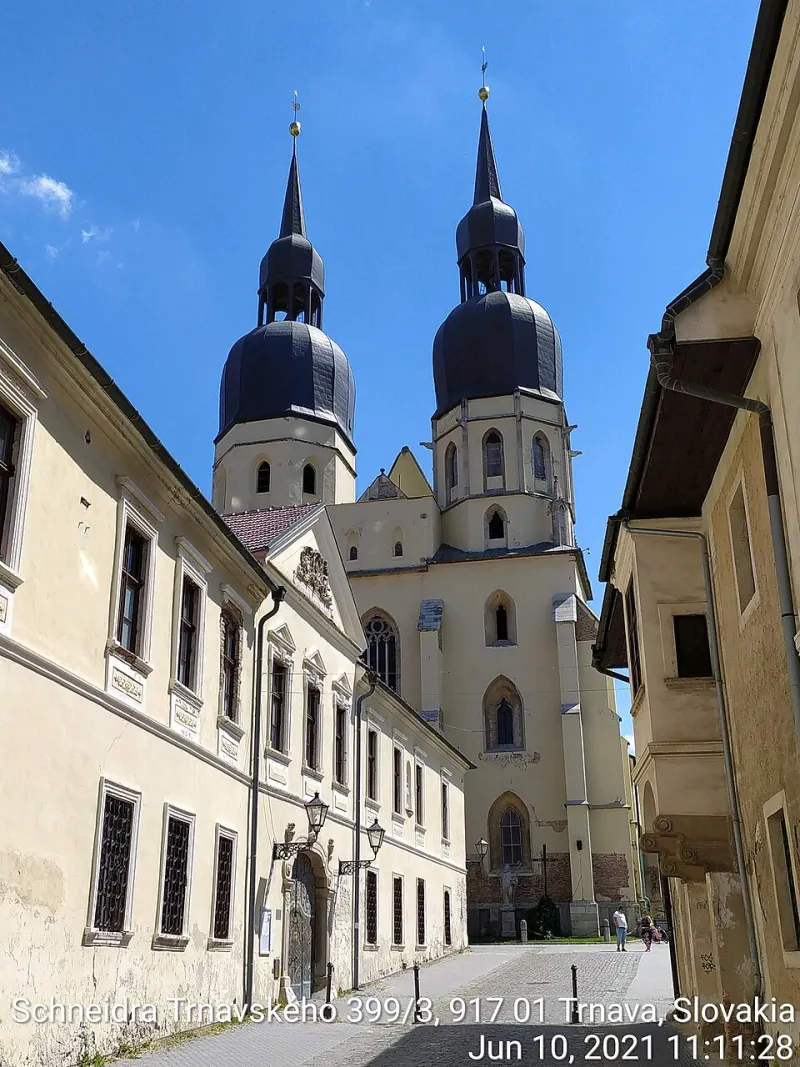
The textile traditions Trnava's designers are drawing from go back centuries. The region around Trnava — historically known as "Little Rome" for its concentration of churches and religious institutions — was also a significant center of cloth production during the medieval and early modern periods. Linen weaving, embroidery, and regional folk textile patterns were deeply embedded in local culture before industrialization gradually pushed them to the margins.
What's happening now is less a nostalgia project and more of an active excavation. Designers like Holíková work with ethnographers and local historians to understand specific regional patterns and techniques, then reinterpret them through a contemporary, minimalist lens. The result isn't folk costume — it's something far more wearable and modern, but with a distinct Slovak DNA running through it.
The Trnava City Museum has quietly become an unlikely resource for this community, with textile historians consulting on pattern archives and occasionally collaborating with local makers on special projects. It's the kind of cross-disciplinary connection that feels organic rather than institutional — people who care about the same thing finding each other in a small city.
Sustainability as a Natural Byproduct
For American consumers increasingly skeptical of fast fashion's environmental toll, Trnava's textile scene checks a lot of boxes — though the makers themselves are somewhat reluctant to lean too hard into sustainability as a marketing angle.
"We make things this way because it's the right way to make them," says Vrábel. "The sustainability part is just... obvious. Of course you use natural materials. Of course you make fewer pieces. Of course you want them to last."
That attitude — practical rather than performative — is actually part of what makes the work feel credible. There's no greenwashing here, partly because there's no real marketing apparatus to do the washing. Most of these designers sell through word of mouth, small local stockists, and a handful of carefully chosen European boutiques. A few have started shipping internationally after organic interest from customers abroad, but scaling up isn't really the point.
Holíková's Plátno label, for instance, caps its seasonal production deliberately. "If I made more, I'd need to compromise somewhere," she says simply. "I'm not interested in that."
Where to Find It
For visitors to Trnava, tracking down this fashion scene requires a little effort — which is honestly part of the charm. The city's historic center is compact and walkable, and several of the studios and small boutiques are clustered within easy distance of the main pedestrian zone.
A handful of multi-brand concept stores in the city now stock pieces from local designers alongside other Slovak and Czech makers, offering a good overview of what's happening regionally. The weekly market near the old town hall occasionally features textile artisans selling directly, though availability varies by season.
If you're visiting in the warmer months, keep an eye out for occasional open-studio events — an informal tradition among Trnava's creative community where makers open their workspaces to the public. It's the best way to actually see the process, ask questions, and understand why a jacket made in a small Slovak studio might cost more than something off a rack in a mall — and why that's entirely the point.
A Different Kind of Fashion Capital
Trnava will never be Milan. It doesn't want to be. But there's something genuinely compelling about a city that's building a fashion identity rooted in its own specific history, geography, and materials — rather than chasing trends set somewhere else.
For the growing number of travelers who care about where things come from and how they're made, that specificity is exactly the appeal. A piece of clothing that carries the memory of a regional weaving tradition, dyed with plants grown in Slovak soil, cut by a designer who chose to stay in a medieval city rather than chase bigger markets — that's a souvenir worth wearing for decades.
And honestly? It looks pretty great too.