Dirt Under the Fingernails, Magic in the Glass: Slovakia's Natural Wine Scene Is Having Its Moment
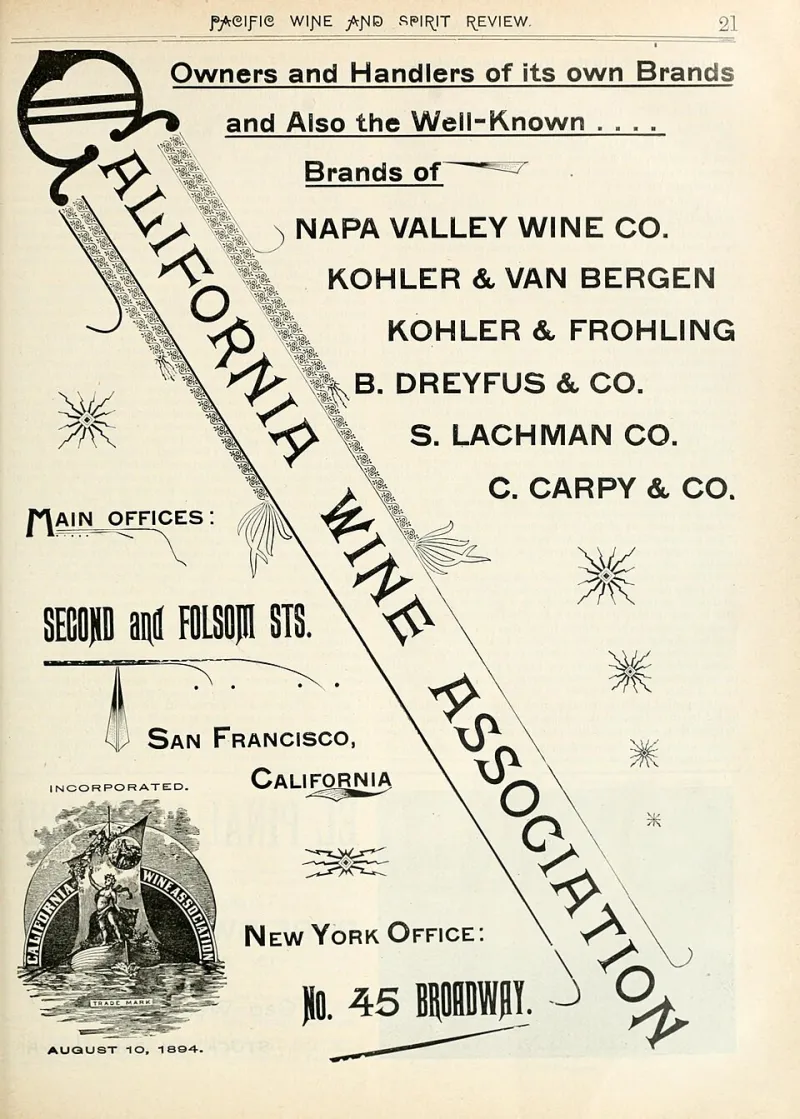
Photo: Internet Archive Book Images, No restrictions, via Wikimedia Commons
Slovakia is not the first place that comes to mind when most Americans think about wine. France, obviously. Italy, sure. Maybe Spain if you're feeling adventurous. But Slovakia? The country more commonly associated with Bratislava stag parties and obscure folk music festivals?
Here's the thing: Slovakia has been making wine for centuries. The Trnava region sits at the edge of some of the country's most historically significant wine country, and the Small Carpathian wine route — which stretches from the outskirts of Bratislava up through the hills toward Trnava — has been producing grapes since at least the Roman period. What's changed recently isn't the wine. It's the winemakers.
A new generation of producers, many of them young, formally trained but philosophically rebellious, are doing things with Slovak grapes that the previous generation simply wasn't interested in. They're going natural. And the results are turning heads.
What "Natural" Actually Means Here
The term "natural wine" gets thrown around a lot, and it means different things in different contexts. In the Slovak version of this conversation, it generally points to a cluster of practices: minimal intervention in the cellar, no added sulfites or very low amounts, organic or biodynamic farming in the vineyard, indigenous yeasts for fermentation, and a general philosophy that the wine should taste like where it came from rather than like a formula.
The results can be polarizing. Natural wines are often cloudy, sometimes funky, occasionally fizzy in unexpected ways. They don't always taste like what you'd expect from a wine glass. For drinkers raised on reliable, polished bottles from big producers, the first encounter with a serious natural wine can be disorienting.
But for the growing segment of millennial and Gen Z wine drinkers who've grown up rejecting the stuffy wine culture their parents navigated — the swirling, the sniffing, the performative expertise — natural wine is basically catnip. It's approachable in its weirdness. It rewards curiosity over knowledge. And in Slovakia, it's remarkably affordable.
The Producers Doing Interesting Work
Drive about 20 minutes east of Trnava into the foothills and you'll start to understand why this region produces good wine. The terrain shifts, the soil changes, and the vineyards that appear on south-facing slopes have been there, in some cases, for generations.
One name that comes up repeatedly in conversations about Slovak natural wine is Fedor Malík & Syn, a family winery in Modra that has been farming organically for years and has become something of a quiet legend among Slovak wine nerds. Their Welschriesling and Frankovka Modrá (known elsewhere as Blaufränkisch) are textbook examples of what Slovak terroir can do when you get out of the way and let it speak.
For something more radically experimental, smaller producers operating around Pezinok and Svätý Jur are pushing into genuinely adventurous territory — skin-contact whites that spend months on their grape skins before pressing, producing amber-colored wines with tannin structures you'd normally associate with reds. These aren't wines for people who want to play it safe. They're wines for people who want to feel something.
In Trnava itself, a handful of wine bars have become gathering points for this community. Places where the list is handwritten, changes constantly, and features producers you've never heard of alongside a few familiar regional names. The staff at these spots actually know what they're talking about — not in an intimidating way, but in the way of people who are genuinely excited about what they're pouring.
Why This Region Specifically?
The Small Carpathian wine region benefits from a microclimate that's genuinely unusual. The mountains to the north and east provide protection from cold air masses, while the Danube plain to the south creates warmth. The result is a growing season that's longer and more stable than you might expect from a country at this latitude.
The soil diversity is also significant. You'll find limestone, loess, and granite within relatively short distances of each other, which means the wines from different parts of the region taste noticeably different even when made from the same grape variety. For wine tourists who've done Burgundy and understand the concept of terroir, this is genuinely exciting territory. For those who haven't, it's a great place to learn.
And then there's the price. A bottle from a quality Slovak natural wine producer that would retail for maybe $15 to $25 in Trnava might cost $40 or more if it made it to a natural wine shop in Brooklyn or Chicago — if it even got exported at all. Most of it doesn't. Which means the only way to drink the really good stuff is to go there.
The Tasting Experience: Lose the Rulebook
If you're planning a visit to the Trnava region and want to build some wine exploration into your trip, the approach that works best here is relaxed and curious rather than structured and studious.
The Small Carpathian Wine Route is well-marked and easy to follow by car or bike, passing through a string of small towns — Modra, Pezinok, Svätý Jur — each with its own cluster of producers and wine cellars that welcome visitors. Many wineries don't require reservations for tastings, though calling ahead in summer is smart.
In Trnava proper, look for wine bars that list their producers explicitly and change their selection regularly. These are the spots where the natural wine community actually hangs out, and where you're most likely to be handed a glass of something genuinely surprising — a pét-nat made from Müller-Thurgau, maybe, or an unfiltered Pinot Gris that tastes nothing like what that grape does in Alsace.
The vibe at these places is deliberately unpretentious. You don't need to know anything walking in. You just need to be willing to taste something unfamiliar and talk about what you're experiencing. That's the whole point.
The Bigger Picture
Natural wine has become, in some corners of the American food and drink world, its own kind of status symbol — the thing you order to signal that you're in the know, that you've moved beyond conventional wine culture. In Slovakia, that layer of self-consciousness doesn't really exist yet. People drink natural wine here because they like it and because they know the people who made it.
That directness — the sense that the wine is connected to actual people farming actual land a short drive away — is exactly what makes the Trnava region worth visiting for anyone serious about what they drink. Slovakia isn't trying to be the new Burgundy. It's just being itself, which, it turns out, is more than enough.