Soak It In: The Affordable Thermal Spa Retreats Hiding Just Outside Trnava
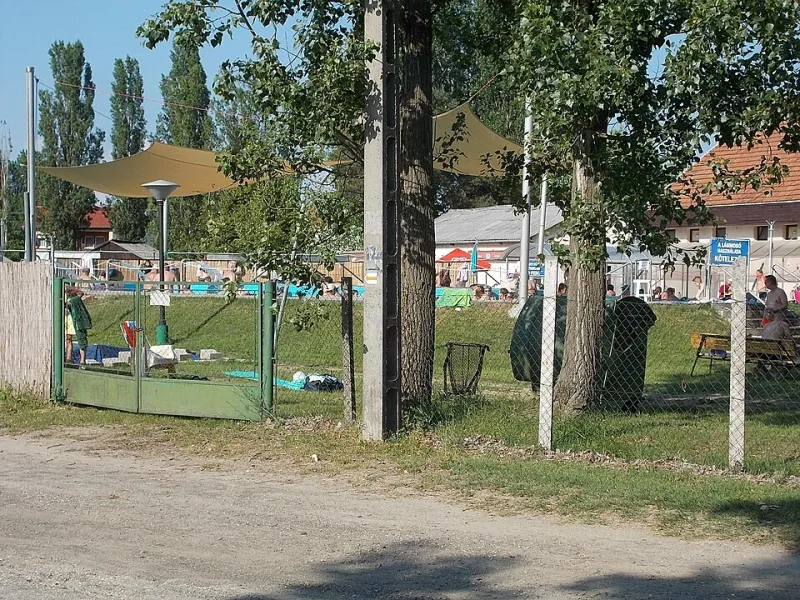
Photo: Globetrotter19, CC BY-SA 3.0, via Wikimedia Commons
Let's be honest: European spa tourism has a pricing problem. A weekend at a famous German or Austrian thermal resort can easily run you what you'd spend on a week elsewhere. The mineral water is lovely, yes, but at some point you're paying more for the prestige than the actual experience of soaking in naturally heated spring water that's been bubbling up from the earth for thousands of years.
Slovakia, characteristically, has not gotten the memo about charging too much for things. And if you're based in or visiting Trnava, you happen to be sitting within easy reach of some of the most genuinely therapeutic thermal spring destinations in Central Europe — places where the water is just as mineral-rich, the facilities are increasingly sophisticated, and the prices remain stubbornly, wonderfully reasonable.
Why Slovakia's Thermal Springs Are the Real Deal
The geology here is not subtle about what it's doing. Slovakia sits atop a complex network of underground thermal aquifers, a consequence of its position along the Carpathian mountain belt. The western Slovak lowlands — the area around Trnava and stretching toward the Hungarian border — are particularly rich in geothermal activity, with spring temperatures ranging from pleasantly warm to genuinely hot.
The water that comes up from these sources isn't just warm — it carries dissolved minerals that vary by location: sulfur, calcium, magnesium, bicarbonates. Locals have been using these springs for their perceived therapeutic properties for centuries, and the tradition of balneology — the medical practice of treating conditions through mineral bathing — has deep roots in Slovak culture.
"My grandmother came here for her joints every spring," says Petra Holíková, who now runs a small wellness guesthouse near the spa town of Piešťany, about 30 kilometers from Trnava. "It wasn't a luxury for her. It was just what you did. The water works."
Piešťany: The Grande Dame of Slovak Spa Towns
If you're going to visit one thermal destination from Trnava, Piešťany is the obvious starting point — and it's close enough to make a day trip, though spending a night or two gives you a much fuller experience.
Piešťany built its identity around its sulfuric thermal springs and healing mud, and the town has been attracting visitors seeking relief from rheumatic conditions, joint problems, and general stress since at least the 16th century. The Spa Island — a carefully landscaped strip of land in the middle of the Váh River — is the center of the action, home to a collection of historic spa houses, hotels, and treatment facilities that range from grand early-20th-century architecture to more modern wellness centers.
The iconic symbol of Piešťany is the "crutch-breaker" — a statue of a figure snapping a crutch in half, representing the healing power of the waters. It's a little theatrical, but the locals are proud of it, and it captures something genuine about the town's identity.
For American visitors, the experience of Piešťany is a pleasant cultural adjustment. Spa culture here is less about luxury pampering and more about genuine therapeutic intent. You'll find serious medical spa programs alongside more recreational options, and the overall atmosphere is relaxed rather than performatively indulgent.
Prices remain significantly lower than comparable destinations in Austria or Germany. A full day's access to thermal pools, plus a traditional sulfur mud wrap, will cost you a fraction of what Baden-Baden charges for a similar experience.
Senec and the Sunny Lakes: A Different Kind of Thermal Experience
About 30 kilometers southeast of Trnava, the Senec lakes area offers a more casual, outdoor-oriented thermal experience that's especially popular with Slovak families during the summer months.
The artificial lakes here were created from gravel pits and are fed partly by thermal groundwater, keeping temperatures comfortable even when the air is cool. The complex has expanded significantly over the years and now includes dedicated thermal and wellness pools alongside the natural swimming areas.
This is a livelier, more social scene than Piešťany — think less meditative soak and more energetic day out. It's a great option if you're traveling with people who have different ideas about what a "spa day" should look like.
What to Expect from Traditional Slovak Healing Practices
Beyond the pools themselves, several wellness facilities in the region offer treatments rooted in traditional Slovak and Central European healing practices that are worth exploring.
Sulfur mud treatments — using the mineral-rich mud drawn from thermal spring beds — are a regional specialty with a long history. The mud is applied warm to joints and muscles, and the combination of heat and mineral absorption is said to have anti-inflammatory effects. Whether or not you're a believer in the specific therapeutic claims, the experience itself is deeply relaxing in a slightly surreal, wonderfully European way.
Herbal treatments using locally foraged plants are another tradition that several smaller wellness retreats have been reviving and modernizing. Slovakia's countryside has a rich folk medicine tradition, and some of the more thoughtful wellness operators are working with local herbalists to incorporate these practices into contemporary treatment menus.
"People want authenticity now," says Holíková. "They've been to the big spa hotels in Austria and Hungary. They want something that feels connected to a real place. Our herbs, our water, our traditions — that's what we can offer that nobody else can."
Practical Tips for Planning Your Thermal Weekend
The best time to visit depends on what you're after. Summer brings the outdoor pool experience at its most enjoyable — warm air, long evenings, and a festive atmosphere. But the thermal experience actually feels most rewarding in the cooler months, when slipping into a 38-degree mineral pool while the autumn air is crisp around you achieves a particular kind of perfection.
From Trnava, most of these destinations are reachable by car in under 45 minutes. Regional buses and trains connect to Piešťany frequently and cheaply. If you're flying into Vienna or Bratislava, Trnava makes an excellent base for building a thermal spa itinerary into a broader Slovak trip.
Book treatments in advance, especially for weekends in summer and the holiday shoulder seasons. Many facilities have expanded their English-language booking options in recent years, though calling ahead to smaller guesthouses may still require a Slovak-speaking friend or a translation app.
Bring a swimsuit you don't mind getting slightly sulfur-scented. It washes out, but consider yourself warned.
Most importantly, slow down. Thermal spa culture works best when you're not rushing. Give yourself an afternoon with nowhere to be, let the water do its thing, and try to resist checking your phone. The medieval city of Trnava will still be there when you get back.