Scarves, Songs, and Ninety Minutes of Nerves: A First-Timer's Guide to Spartak Trnava Matchday
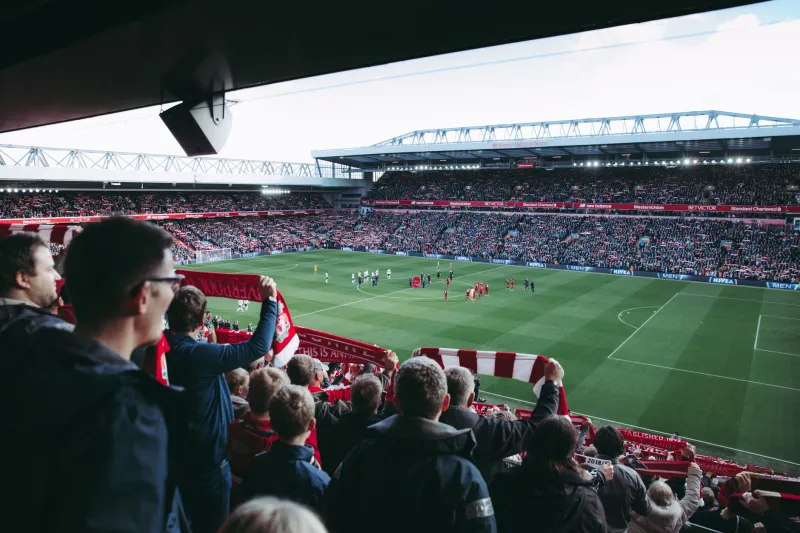
The first thing you notice is not the football. It is the noise. A low, rolling wall of sound that starts somewhere behind the goal and spreads through the stand like a weather system. Scarves go up. Drums kick in. Someone near you starts a chant you do not understand, and by the second verse you are clapping along anyway.
Welcome to a Spartak Trnava matchday. If you are an American who loves atmosphere more than tactics, this is the kind of European football experience people write poems about. It is also the kind of experience that can go badly if you walk in without a clue. So here is the friendly version: what to expect, how to prepare, and how to enjoy the stands without being the guy who ruins the mood.
What you are signing up for
Spartak Trnava is one of Slovakia's most storied football clubs, with a fan culture that is loud, proud, and deeply local. The club plays at the City Arena, a modern stadium built around the bones of the old ground. On matchday, the walk to the stadium becomes a slow procession of red and black scarves, families, old friends, and groups of ultras warming up their voices in the pubs nearby.
This is not the Premier League. It is not a tourist product with a gift shop attached to every corner. It is a city showing up for its team. That is the appeal. You are not there to see a global brand. You are there to feel what Trnava sounds like when it is nervous, hopeful, and occasionally furious at the referee.
Tickets and timing
Buy your ticket online through the club if you can, or check the official matchday information for the stadium box office. Prices are generally reasonable by US sports standards, but big matches against rivals can sell faster. Do not wait until ten minutes before kickoff and expect a leisurely stroll through the gates.
Arrive early. Not because the queues are impossible, but because the pre-game is half the experience. Give yourself at least an hour, maybe ninety minutes, to wander the streets near the stadium, grab a drink, and soak up the crowd. If you see people selling scarves outside the ground, buy one. It is the cheapest way to look like you belong and the best souvenir you will take home.
The pre-game ritual
Find a pub near the stadium and order a beer or a Kofola. Stand outside if the weather is decent. Watch the scarves go by. Listen to the songs. If you are wearing the wrong colors, fix that. Do not show up in the away team's colors unless you are sitting in the away section. This is not a fashion rule. It is a common-sense safety rule that applies in every football city in Europe.
You do not need to know the players' names. You do not need to know the league table. You just need to understand that this is a social event first and a sporting event second. People have been coming to this ground with their fathers and grandfathers. The match is the excuse. The gathering is the point.
In the stands
The home end is where the ultras live. It is standing, singing, drumming, flag-waving, and occasionally smoky. If you want a seat and a quiet view, buy a ticket in a family or neutral section. There is no shame in that. But if you want the full experience, go where the noise is and accept that you will not see every corner kick because someone's flag is in the way.
The capo — the person leading the chants — is the conductor. Follow their lead. Do not start your own song. Do not try to be funny during a serious chant. Do not film the entire match on your phone. Take a photo, take a short video, then put the phone away and sing. The people around you are not extras in your travel content. They are the main event.
The chants, the scarves, and the emotional ride
You will not understand every word. That is fine. Football chants are more about rhythm and repetition than vocabulary. Join the clapping. Learn the chorus. Raise your scarf when everyone else does. If you accidentally shout the wrong thing, laugh at yourself and move on.
The emotional ride is real. A Spartak match can swing from confidence to panic to joy in the space of five minutes. When the team scores, the stand erupts. When the referee makes a bad call, the stand lets him know. When the final whistle blows, you will feel like you just survived something. That is the point. The result matters, but the shared nerves are what you remember.
Practical checklist for Americans
Wear layers. The stadium can be cold, and the standing sections generate heat but not enough to save your fingers. Bring cash for snacks and scarves. Keep your ID with you. Do not bring a giant bag if you can avoid it. Follow the stewards and police instructions, even if everyone around you seems to be ignoring them. And if you are in the ultras section, stay with the crowd when leaving. Do not wander into the wrong group of fans and start taking photos.
Most of all, be curious and be respectful. You are a guest in someone's Saturday ritual. Ask questions. Cheer when the crowd cheers. Buy a scarf. Learn one chant. By the end of ninety minutes, you will not be an American tourist anymore. You will be a very confused, very hoarse honorary Trnavan, wondering when you can do it again.