Guitars, Folk Beats, and Late Nights: Why Trnava Is Central Europe's Coolest Music Secret
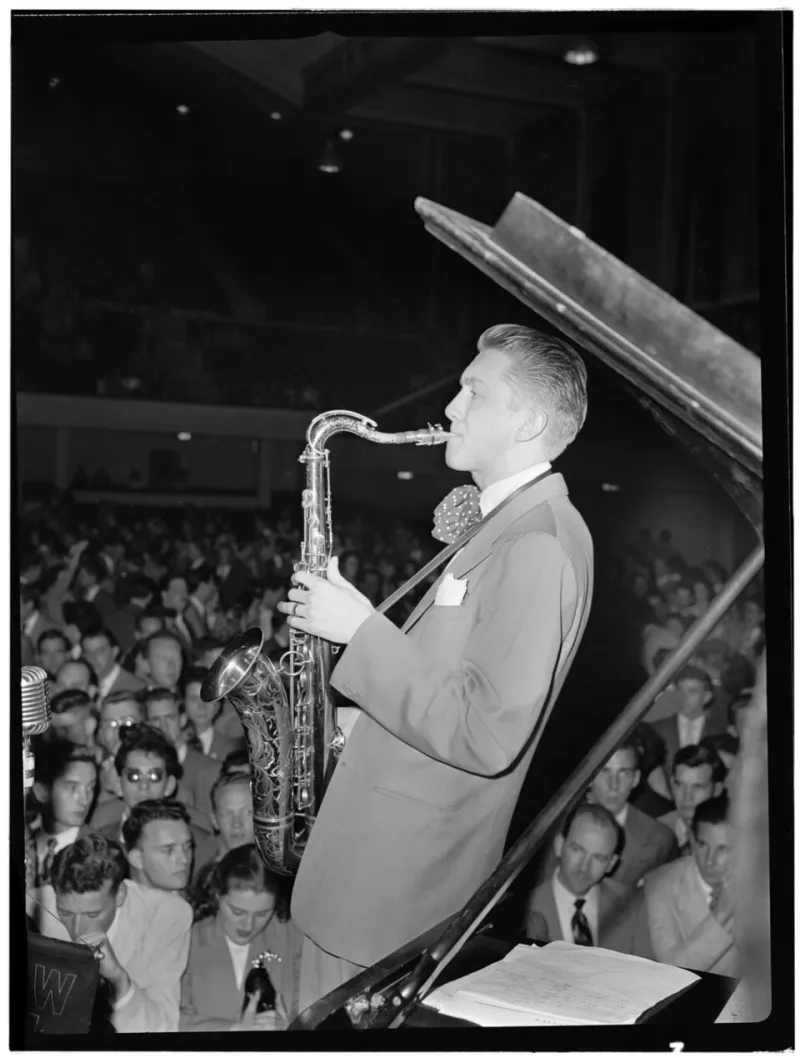
Photo: The Library of Congress, Public domain, via Wikimedia Commons
Most Americans planning a European music pilgrimage think London, Berlin, or maybe Budapest. Trnava, Slovakia? Probably not on the list. But spend a Friday night wandering through this medieval city's old town — ducking into smoky cellar bars, catching an open-air concert near the old city walls, or stumbling upon a festival crowd that looks like it was teleported in from a Brooklyn warehouse show — and you'll wonder why nobody told you about this place sooner.
Trnava has been quietly building one of the most interesting independent music scenes in the region, and locals are only half-surprised by it. "This city has always had a creative energy," says Marek Kováč, a guitarist and founding member of the Trnava-based band Sivá Líška, which blends Slovak folk melodies with post-rock instrumentation. "We're small enough that everyone knows each other, but big enough that something is always happening."
A City That Was Always Listening
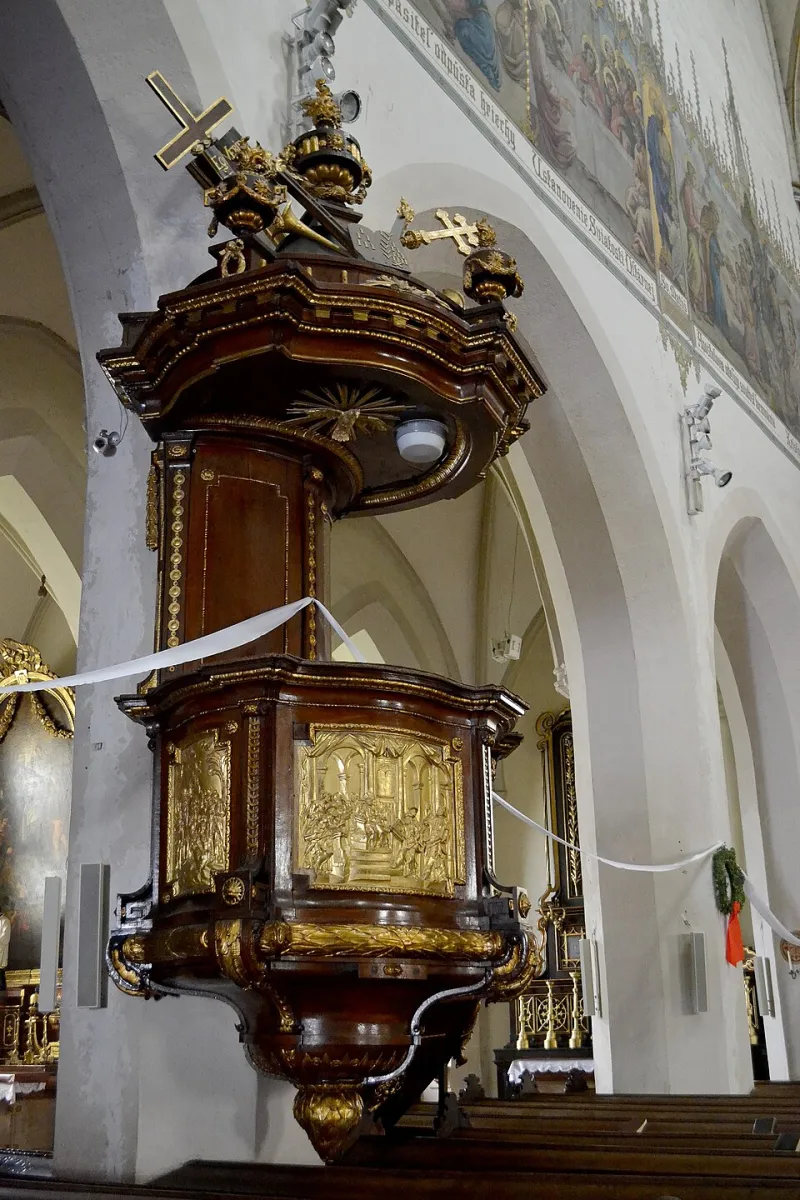
To understand why music took root here, it helps to understand what Trnava actually is. Often called the "Slovak Rome" because of its remarkable concentration of Baroque churches, Trnava was also home to Slovakia's first university in the 17th century. That academic tradition never really left. Today, the city's university population pumps a steady flow of young, curious, artistically restless people into its streets every year — and that energy has to go somewhere.
It went into music.
Over the past decade or so, a constellation of small venues, independent promoters, and DIY recording studios has emerged in and around the old town. The scene is self-sustaining in a way that feels almost counterintuitive for a city of roughly 65,000 people. Bands record albums in converted garages. Promoters book touring acts from Prague, Vienna, and Warsaw. Venues that started as wine bars are now hosting sold-out shows on weekend nights.
The Folk-Meets-Everything Experiment
What makes Trnava's music genuinely distinctive — and particularly interesting for American indie fans — is the way local musicians are treating Slovak folk music not as a relic but as raw material.
Traditional Slovak folk has a specific emotional palette: modal scales, driving rhythmic patterns, and a certain melancholic intensity that sounds, to Western ears, both ancient and strangely modern. Trnava's younger musicians have figured out that these qualities translate surprisingly well into contemporary genres.
Bands like Prach & Koreň (roughly translating to "Dust & Root") layer traditional fujara flute samples over shoegaze guitar textures. Others are experimenting with electronic production, using field recordings from Slovak villages as the backbone of tracks that wouldn't sound out of place on a Pitchfork best-of list. Even the jazz scene here has a distinct local flavor — you'll hear musicians weaving folk modes into improvisation in ways that feel fresh rather than gimmicky.
"We're not trying to be nostalgic," explains Jana Mináčová, a vocalist and multi-instrumentalist who performs under the name Lesná. "We're trying to figure out what it sounds like to be Slovak and young and alive right now. The folk stuff is part of that — it's in our bones — but so is everything else we grew up listening to."
The Venues Worth Knowing
For visitors, navigating Trnava's music scene is easier than you'd expect. The old town is compact and walkable, and the best venues are clustered close together.
Klub pod Hradbami — loosely translated as "Club Under the Walls" — is probably the anchor of the scene. Set in a vaulted cellar space near the historic city fortifications, it books a mix of local acts and regional touring bands several nights a week. The acoustics are genuinely excellent, the beer is cheap by any standard, and the crowd tends to be a mix of students, artists, and the occasional confused tourist who wandered in and decided to stay.
For something more relaxed, several of the wine bars and café-bars in the old town host acoustic sessions and smaller experimental performances. These are the kinds of shows where you might end up chatting with the performer at the bar afterward — the scene is informal and welcoming in a way that bigger cities often aren't.
Outdoor concerts during the warmer months are a particular highlight. Trnava's historic squares and courtyards become natural amphitheaters in summer, and the visual backdrop of Baroque architecture behind a band playing indie folk or jazz is the kind of thing that photographs embarrassingly well.
Festival Season: Put These on Your Calendar
If you're planning a trip specifically around music, timing matters. Trnava and the surrounding region host several festivals throughout the year that draw audiences from across Slovakia and neighboring countries.
The summer months bring outdoor music events that take over the old town, ranging from folk and world music to indie and electronic. These festivals are notably unpretentious — you won't find the corporate sponsorship overload or the $18 cocktails that have come to define major European music festivals. It's closer in spirit to a regional American music festival: community-oriented, affordable, and genuinely fun.
Spring and fall tend to feature more intimate indoor events — club nights, album release shows, and occasional collaborative performances that bring together musicians from different parts of Slovakia and Central Europe.
Why American Music Fans Should Pay Attention
Here's the honest pitch: if you love independent music, Trnava offers something that's increasingly hard to find. It's a scene that hasn't been discovered and packaged yet. The bands are good — genuinely good, not just charming-because-they're-local good — and the combination of historic atmosphere, low costs, and musical adventurousness makes for a travel experience that's hard to replicate.
Flights from major US cities to Vienna or Bratislava are the entry point, and Trnava is less than an hour from either. You could spend a long weekend here, catch three or four shows, eat extremely well, and spend a fraction of what a comparable trip to London or Amsterdam would cost.
The musicians themselves are aware that international attention is starting to drift their way, and there's a collective sense of excitement about it — without the self-consciousness that sometimes comes when a scene realizes it's being watched.
"Come before it gets too cool," Marek from Sivá Líška says, laughing. He's only half joking.