Unplug, Wander, Breathe: Why Trnava Is the Slow Travel Reset American Tourists Didn't Know They Needed
Let's be honest about modern European travel for a second. You book the flight months out, you make the spreadsheet, you pin the Instagram spots, and then you spend two weeks in a blur of selfie sticks, overpriced espresso, and tour groups blocking every doorway in Florence. You come home exhausted. You've seen Europe, technically. But did you actually experience it?
A growing number of Americans are asking that same question — and quietly, a small baroque city in western Slovakia is becoming their answer.
Trnava doesn't shout. It doesn't need to. Tucked between Bratislava and the Carpathian foothills, this compact city of roughly 65,000 people has spent centuries doing its own thing, largely unbothered by the machinery of mass tourism. And right now, in an era of digital burnout and overtourism fatigue, that unbothered energy is starting to look a lot like a superpower.
The Anti-Itinerary City
Ask visitors what their Trnava plan was before they arrived, and most will laugh.
"Honestly? I had nothing booked," says Megan, a graphic designer from Portland who stumbled onto Trnava after a work trip to Vienna went sideways. "My flight got rescheduled and a colleague suggested I take the train to Bratislava and just... explore. Someone at my hostel mentioned Trnava. I took a regional train on a whim. That was supposed to be a day trip. I stayed five days."
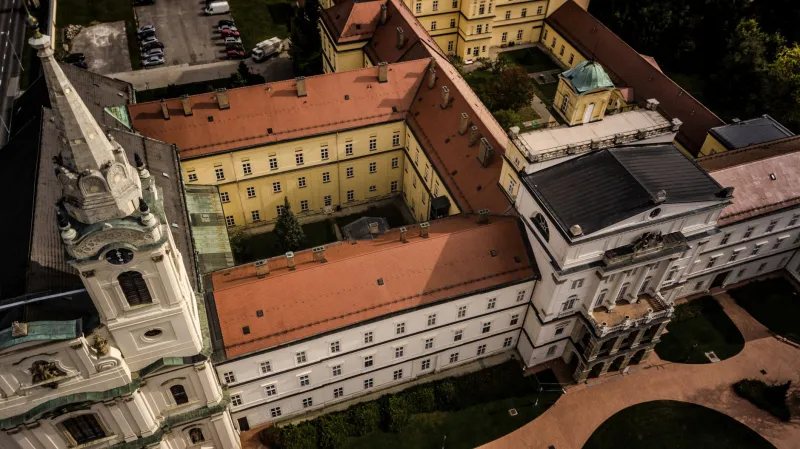
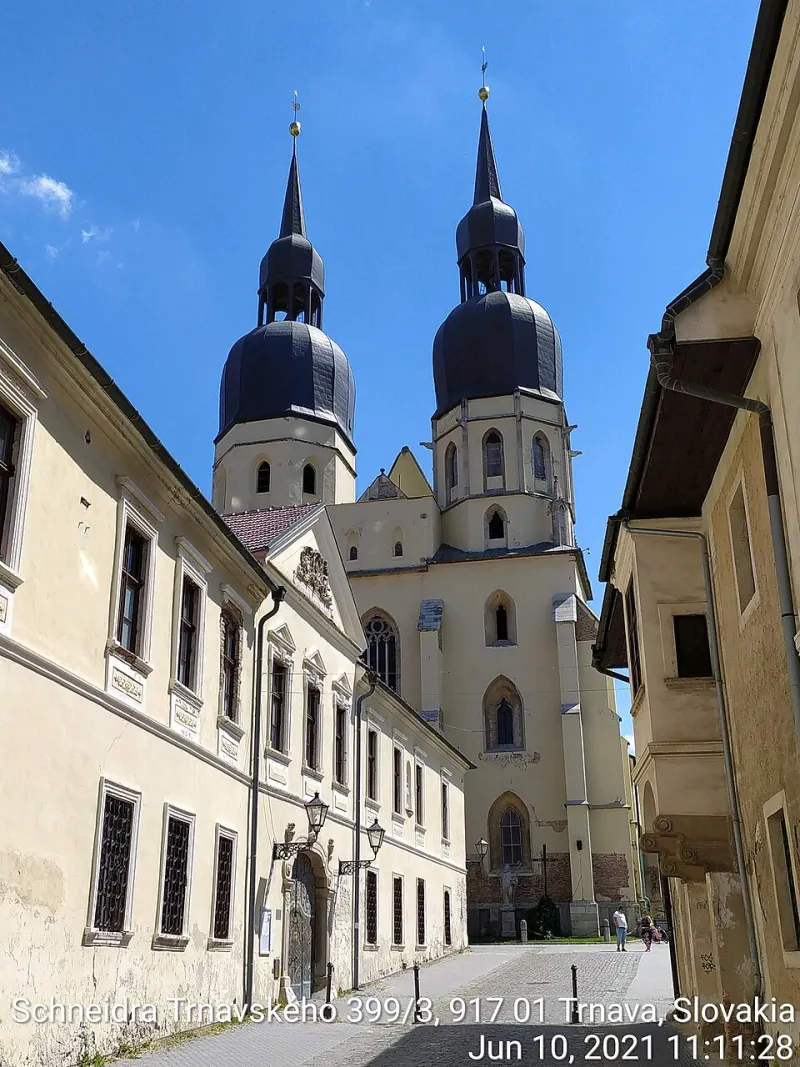
Megan's story isn't unusual. What is unusual is what kept her there. Not a checklist of monuments. Not a rooftop bar with a waiting list. Just the city itself — its walled old town, its cathedral spires poking above terracotta rooftops, its coffee shops full of university students debating things in Slovak over half-liter mugs. The pace of it. The realness of it.
"Nobody was performing for tourists," she says. "People were just living their lives. I felt like a guest, not a customer."
What Trnava Isn't — and Why That Matters
To understand Trnava's appeal to the digitally fried American traveler, it helps to understand what it deliberately isn't.
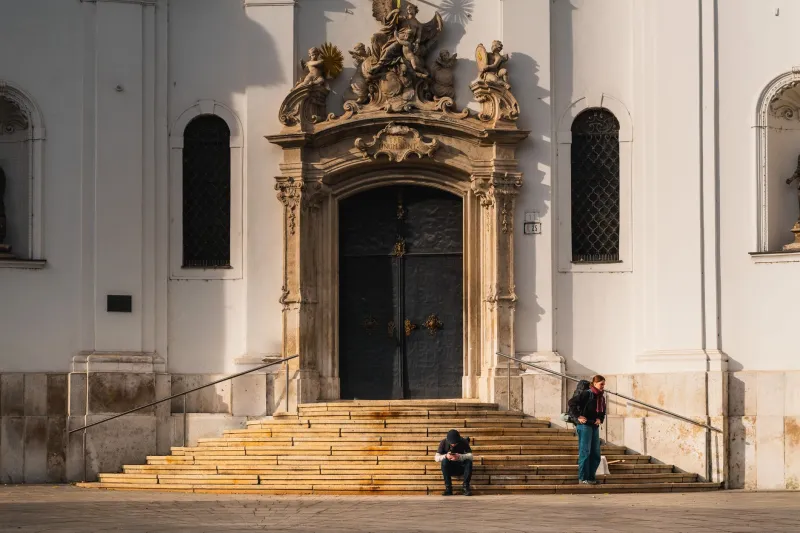
It isn't a theme park version of Central Europe. The old town's baroque architecture — and there is a lot of it, earning Trnava the old nickname "Little Rome of Slovakia" — exists because it was built that way centuries ago and largely survived what history threw at it. Not because someone decided it would photograph well.
It isn't overrun. The city's main square, Trojičné námestie, hosts locals grabbing lunch and kids chasing pigeons on any given afternoon. There are tourists, sure — but they're outnumbered by residents, which is increasingly rare in European historic centers and increasingly precious.
And it isn't wired for performance. You won't find a neon sign designed to go viral. You won't find a "most Instagrammed spot" marker on the pavement. What you'll find instead is a 13th-century city wall you can walk alongside in under twenty minutes, a handful of genuinely excellent local restaurants where the menu changes with the season, and a cultural calendar built around what residents actually care about — not what draws bus tours.
The Science of Slowing Down
There's a reason the slow travel movement has been gaining serious traction among American wellness communities, and it goes beyond aesthetics. Research from the American Psychological Association consistently links constant digital connectivity to elevated stress and diminished attention spans. The antidote, increasingly, is immersive, low-stimulation travel — the kind where you sit in a square for an hour and watch the light change on old stone, and that's enough.
Trnava, almost accidentally, delivers exactly that.
"I put my phone away on day two," says Derek, a software engineer from Austin who visited last autumn with his wife. "Not because I was trying to detox. Just because there was nothing pulling me toward it. We were eating good food, walking everywhere, talking to each other. My wife said it was the best vacation we'd had in a decade. We didn't take that many photos. We didn't need to."
The city's university population — Trnava is home to three universities — keeps the cultural scene lively without pushing it toward spectacle. There are live music nights in small venues, readings at independent bookshops, gallery openings that feel like neighborhood gatherings. The energy is participatory rather than consumable.
Getting Here Without Overthinking It
For American travelers, Trnava is more accessible than it sounds. Fly into Vienna or Bratislava (both have solid transatlantic connections via major hubs), and Trnava is a short regional train ride away — under an hour from either city. There's no grand arrival infrastructure, no tourist welcome center with laminated maps, no shuttle bus to a designated "experience zone." You walk out of the train station and into a city that assumes you can figure it out, which, honestly, is refreshing.
Accommodation skews toward smaller guesthouses and apartments rather than international hotel chains, which keeps money in the local economy and keeps the vibe intact. Prices are dramatically lower than comparable Western European cities — a full sit-down dinner with wine for two can run you what you'd spend on a single cocktail in Lisbon's tourist corridor.
The Locals Are the Attraction
Perhaps the most consistent thing American visitors mention about Trnava is the people. Not in a "locals were so friendly" generic-travel-review way. More specifically: the sense that residents haven't been worn down by tourism, haven't developed the glazed patience of people who've answered the same questions ten thousand times.
"I had a twenty-minute conversation with a guy at a bakery about American football," says Marcus, a teacher from Chicago who visited during a broader Central Europe trip. "He was a huge fan — knew more about the Bears than I did, honestly. We just talked. He didn't want a tip or a review. He was just a person having a conversation."
That kind of ordinary human connection — the thing travel brochures promise and busy tourist corridors make nearly impossible — is what Trnava quietly delivers. Repeatedly. Without fanfare.
A City That Doesn't Need Your Likes
There's something almost countercultural about a place that isn't optimizing itself for external validation. In a travel landscape where cities compete for trending hashtags and fight for spots on "must-visit" listicles, Trnava's indifference to that game is, paradoxically, its biggest draw.
It will not be ruined by the attention. At least not yet. The crowds that have hollowed out the authenticity of Dubrovnik, Santorini, and the streets of Prague's Old Town haven't found Trnava yet — and the city's relatively modest tourism infrastructure means it won't absorb a flood of visitors without noticing.
Which is, perhaps, an argument for going now. Not to get ahead of a trend. Not to be the person who "discovered" it before everyone else. But because right now, today, Trnava is a city that will let you be a human being for a week — unhurried, untracked, and genuinely present.
Your phone will be fine in your pocket. The city doesn't need your likes. And after a day or two, you might find that neither do you.